
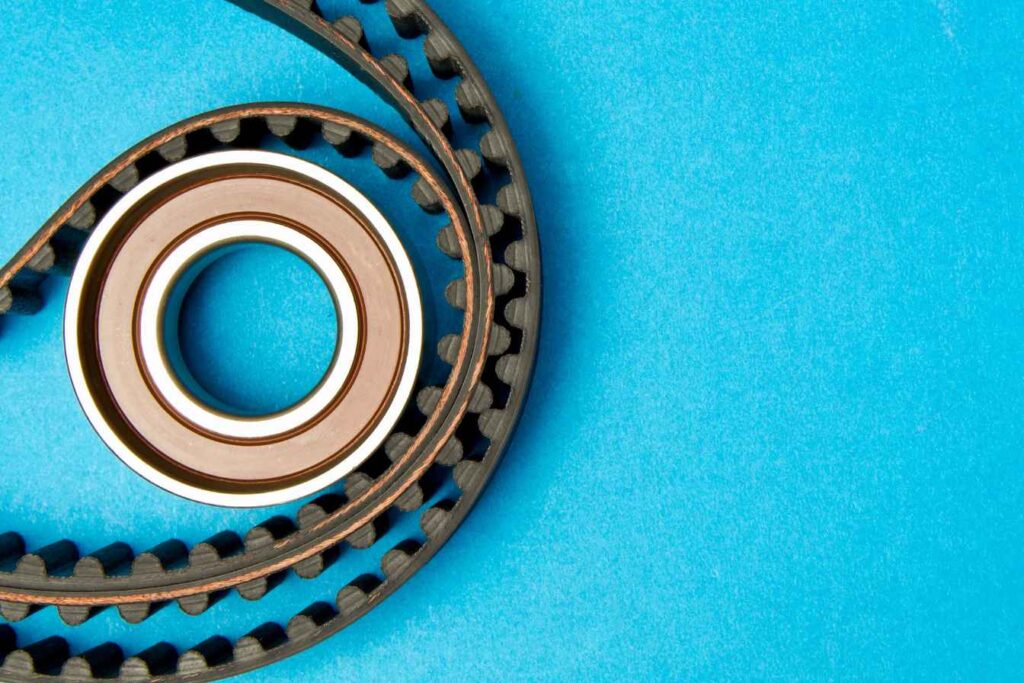
A small internal component can make the difference between routine maintenance and the complete destruction of the engine. Questions about the timing system generate a flood of inquiries when people are looking for the exact specification— chain or belt —for the 1.6 PureTech 180 cv engine to avoid surprises at the repair shop.
Determining whether your vehicle uses a traditional system or a submerged mechanism is key to understanding its actual mechanical strength.
Belt vs. Chain: Why This Question Matters So Much
The type of drive system determines the vehicle’s maintenance requirements and reliability. While the chain typically lasts for the entire lifespan of the car, certain belt-driven systems require ongoing monitoring to prevent premature failure.
What is the displacement of each PureTech engine?
The design varies depending on the engine displacement and the model year of the engine block.
The 1.2 PureTech (gasoline): oil-bathed belt
The 1.2-liter engines are equipped with a 1.2 PureTech wet-belt timing system. This wet-belt configuration is designed to reduce internal friction, but it causes serious reliability issues. To see how this engine differs, check whether the 1.2 PureTech uses a timing belt or a timing chain[cite: 1].
The 1.6 PureTech 180 CV: Belt or Chain?
The 1.6-liter, 180 CV engine uses a metal timing chain. Unlike the 1.2-liter three-cylinder engine, this four-cylinder variant does not have a timing belt immersed in engine oil.
BlueHDi Diesel: Why People Confuse Them
Widespread confusion among drivers arises when commercial variants are offered under the same car models, even though they use completely different technologies and components.
Why the “wet belt” (drenched in oil) is the problem
The design of Block 1.2 conceals a serious manufacturing defect related to lubrication.
How Does a Belt That Runs in Oil Work?
The rubber component operates while permanently submerged in the lubricant to ensure smooth mechanical rotation.
What Happens When It Dissolves: Residue and Blockages
Continuous contact with gasoline causes the rubber to degrade. The debris falls into the oil pan, clogs the oil pump, and causes catastrophic failures costing over €7,000.
“I’m wearing a chain, so I’m safe”: the myth
Using a chain in the 1.6 engine prevents rubber degradation. However, drivers of the 1.2 with a 1.2 PureTech chain or belt should check the manufacturing date, as the chain versions are very recent.
Can the strap be replaced with a chain?
Many homeowners are looking to repair their damaged system.
Is there a conversion kit?
It is not possible to modify the engine block. Replacing the belt with a PureTech chain is not feasible due to the engine’s internal structure.
Cost and why it doesn’t solve the underlying problem
The design requires the use of the original replacement belt, so the risk of wear and tear reemerges as the mileage increases.
What This Means for Your Right to File a Claim
If you are experiencing this manufacturing defect in your 1.2-liter engine manufactured between 2014 and 2023, you can join the Stellantis PureTech class-action lawsuit to request reimbursement for repairs and the corresponding compensation.
Frequently Asked Questions
Does the 1.2 PureTech have a belt or a chain?
Models manufactured between 2014 and 2023 are equipped with an oil-bathed belt. Only the most recent hybrid models have begun to include a timing chain.
Does the reinforced strap solve the problem?
No, installing an updated replacement part only temporarily slows down wear and tear. Contact with fuel dissolved in the oil causes the material to degrade again over time.
How often should the PureTech’s timing belt be replaced?
It is recommended that you visually inspect its width during each maintenance check. It should be replaced sooner if it shows cracks, wear, or debris in the oil circuit.