
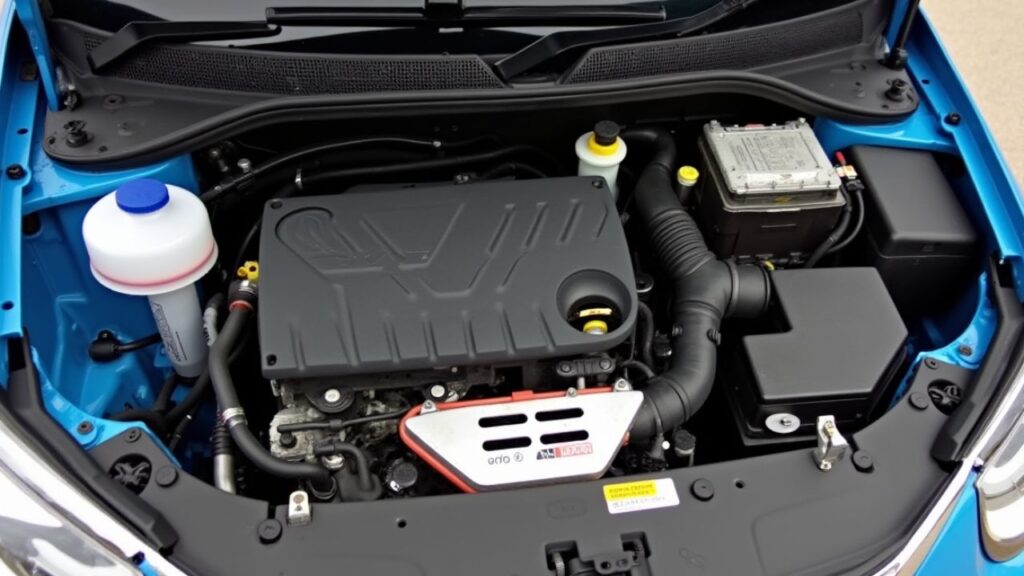
If you have a car with 1.2 PureTech engine or are thinking of buying one, you may have heard about the mechanical issues affecting these engines. But, is there a real solution to avoid serious breakdowns?
In this article, we explain why they fail, how to solve the problem and what options you have if you are already affected.
Table of contents
Why do PureTech engines have issues?
The PureTech 1.2 and 1.0 engines, developed by Stellantis, have been a popular choice due to their efficiency and low fuel consumption. However, they have a defect that has led to thousands of complaints and premature failures.
A design problem affecting thousands of vehicles
The main flaw of the PureTech engine is the accelerated deterioration of the timing belt in an oil bath, which can cause serious mechanical failures and even engine breakdown.
Which brands and models are affected?
Peugeot, Citroën, and DS
- Peugeot: 208, 2008, 308, 3008, 5008, Rifter
- Citroën: C3, C3 Aircross, C4, C4 Picasso, C4 Grand Picasso, Berlingo
- DS Automobiles: DS3, DS4, DS5
Opel, Toyota, and Jeep
- Opel: Crossland X, Grandland X
- Toyota: ProAce City
- Jeep: Compass
Main issue: timing belt degradation
How petrol and oil mixture affects it
The timing belt is submerged in oil to reduce friction, but over time, the belt material decomposes and releases particles that contaminate the engine oil.
Sediments in the lubrication system
Belt residues can block the oil passages, causing:
- Oil pressure loss
- Accelerated wear of internal parts
- Costly breakdowns
What are the symptoms of PureTech engine failure?
Engine failure warning lights and power loss
- The engine failure warning light on the dashboard illuminates.
- The car experiences power loss when accelerating.
Excessive oil consumption and abnormal noises
- Frequent oil top-ups are required.
- Metallic noises are heard from the engine.
Increased fuel consumption
The engine requires more fuel to compensate for the lack of lubrication.
Consequences of PureTech engine failure
Engine seizure: a costly repair
If lubrication fails, the engine can seize up and stop working, necessitating replacement.
Oil pressure loss and internal damage
If the belt starts disintegrating, oil pressure drops and internal parts suffer premature wear.
Timing belt breakage: a critical failure
If the belt breaks, the engine sustains irreparable damage to the valves and pistons.
What do mechanics and those affected by the problem say?
Specialised workshop opinions
Workshops recommend changing the belt much earlier than the official interval to prevent damage.
Testimonials from owners with recurring issues
Thousands of drivers have had to repair their cars for over €7.000, even with low mileage.
Official and alternative solutions to the PureTech engine problem
What solution does Stellantis offer?
Reinforced belt inspection and replacement
- Stellantis has modified the belt design to prevent premature decomposition.
Extended warranty up to 10 years/175.000 km
- Some affected models may benefit from a free warranty extension.
Expert-recommended alternatives
Replacement of the engine with the new Gen 3 featuring a timing chain
The third generation of PureTech Gen 3 engines has replaced the belt with a timing chain, eliminating the issue.
Preventive maintenance with specific oils
Using higher-quality oil is recommended to reduce belt wear.
Use of additives and specialised products
Some mechanics recommend additives that reduce friction and protect the belt.
Is it possible to claim against Stellantis for the issue?
Collective lawsuits by the affected
In Spain, thousands of affected individuals have initiated legal actions to demand compensation.
Successful cases in claims
Some owners have received up to 50% of the car’s value in compensation.
How much does it cost to repair or replace the PureTech engine?
Price comparison between official and alternative workshops
- Belt replacement and inspection: €800 – €1.500
- Engine repair: €3.000 – €7.000
- Complete engine replacement: €7.000 – €12.000
Is it worth changing the car?
If your car has high mileage, it may be more cost-effective to switch to a new vehicle.
Frequently asked questions about the PureTech engine solution
How can I tell if my PureTech engine is affected by the issue?
If your car has a 1.2 or 1.0 PureTech engine, it is likely to develop the fault.
How long does it take for the timing belt issue to appear?
The problem typically arises between 30.000 and 80.000 km, depending on usage and maintenance.
Can I continue driving if my engine shows symptoms of failure?
It is not advisable. Continuing to drive could cause irreversible damage to the engine.
Is it advisable to buy a second-hand car with a PureTech engine?
If the car has already had the belt replaced and has an extended warranty, it may be a viable option.
Which cars have the new PureTech Gen 3 engine without issues?
Models manufactured since 2023 have incorporated the timing chain instead of the belt.
If you have a car with a 1.2 PureTech engine and are seeking a permanent solution, timely belt inspection, claiming against Stellantis, and opting for proper maintenance can prevent a costly breakdown. Don’t wait until the issue becomes irreversible!