
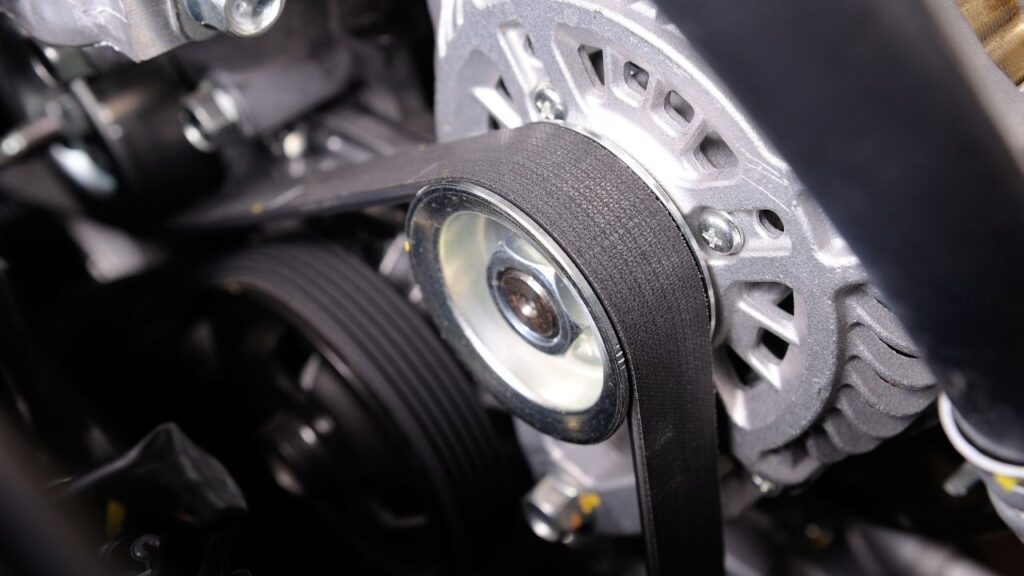
Did you know that a failure in the timing belt of your 1.2 PureTech engine could cost you thousands of pounds?
This component, crucial to the engine’s operation, has sparked controversy due to its oil bath design, which has affected numerous models from Peugeot, Citroën, Opel, and DS.
If you have a car with this type of engine, keep reading to learn about the risks and how to prevent costly breakdowns.
This component, crucial to the engine’s operation, has sparked controversy due to its oil bath design, which has affected numerous models from Peugeot, Citroën, Opel, and DS.
If you have a car with this type of engine, keep reading to learn about the risks and how to prevent costly breakdowns.
Table of contents
What is the oil-soaked timing belt in PureTech engines?
The oil-soaked timing belt is a technology used in some PureTech engines to improve performance and engine durability, but it also presents significant challenges.
Function of the timing belt in the 1.2 PureTech engine
The timing belt synchronises the movement of the engine’s valves and pistons, ensuring they work in harmony. In the case of the 1.2 PureTech engine, this belt is immersed in oil to reduce friction and wear, theoretically extending its lifespan.
Benefits and drawbacks of the oil-soaked timing belt
-
- Benefits: Reduced wear, quieter operation, and increased efficiency.
-
- Drawbacks: Susceptibility to premature deterioration, engine oil contamination, and costly failures if not detected in time.
Car brands with oil-soaked timing belts
PureTech engines with this technology are present in models from Peugeot, Citroën, Opel, and DS. Here we break down the main affected models.
Peugeot and Citroën: Affected models
-
- Peugeot: 208, 2008, 308, 3008.
-
- Citroën: C3, C4, C4 Cactus.
Opel and DS: Affected models
-
- Opel: Grandland X, Corsa.
-
- DS Automobiles: DS3, DS7 Crossback.
Common failures in the timing belt of the 1.2 PureTech engine
Issues with the timing belt in the 1.2 PureTech engine have been widely reported, affecting both the car’s performance and owners’ wallets.
Premature wear of the oil-soaked belt
The oil meant to protect the belt can deteriorate it if it contains impurities. This causes the belt to release particles that contaminate the lubrication system, increasing wear on other components.
Damages caused by a faulty belt in the PureTech engine
A worn belt can lead to serious problems such as:
-
- Engine misalignment.
-
- Failures in pistons and valves.
-
- Repairs that can exceed €7.000.
Consequences of a faulty timing belt
A timing belt failure not only entails expensive repairs but can also compromise the engine’s lifespan.
Repair costs and risks to the engine
Failures caused by a faulty belt can include complete engine replacement in severe cases, as well as a significant loss of the car’s value in the second-hand market.
How to identify a timing belt failure?
Some warning signs include:
-
- Strange engine noises.
-
- Excessive oil consumption.
-
- Power loss or irregular operation. If you notice any of these symptoms, it’s crucial to visit a specialised workshop.
Frequently Asked Questions (FAQs)
Which cars have engines with oil-soaked timing belts?
Mainly models from Peugeot, Citroën, Opel, and DS manufactured between 2014 and 2023.
How much does it cost to change the timing belt in a PureTech engine?
Cost can vary between €800 and €1,500, depending on the model and the severity of wear.
How can I prevent problems with the timing belt?
By performing regular maintenance, using high-quality oil, and checking the belt at each service.
Don’t wait for a timing belt issue to affect your car. Knowing the risks and acting in time can save you thousands of pounds and ensure the proper functioning of your 1.2 PureTech engine. Consult with your trusted workshop and avoid unpleasant surprises!